Protect Your Home: Important Services Available from Professional Roofing Contractors
Expert roofing specialists play an essential role in preserving the structural soundness of residential properties. They offer skills spanning detailed assessments to urgent repair work, making certain roofs are kept in peak condition. Routine maintenance services, like debris removal from gutters, help prevent significant issues. Understanding when to replace a roof may protect property owners from expensive repairs. Still, not every roofing specialist offers the same level of service. Which criteria matter most when selecting the ideal roofing expert?
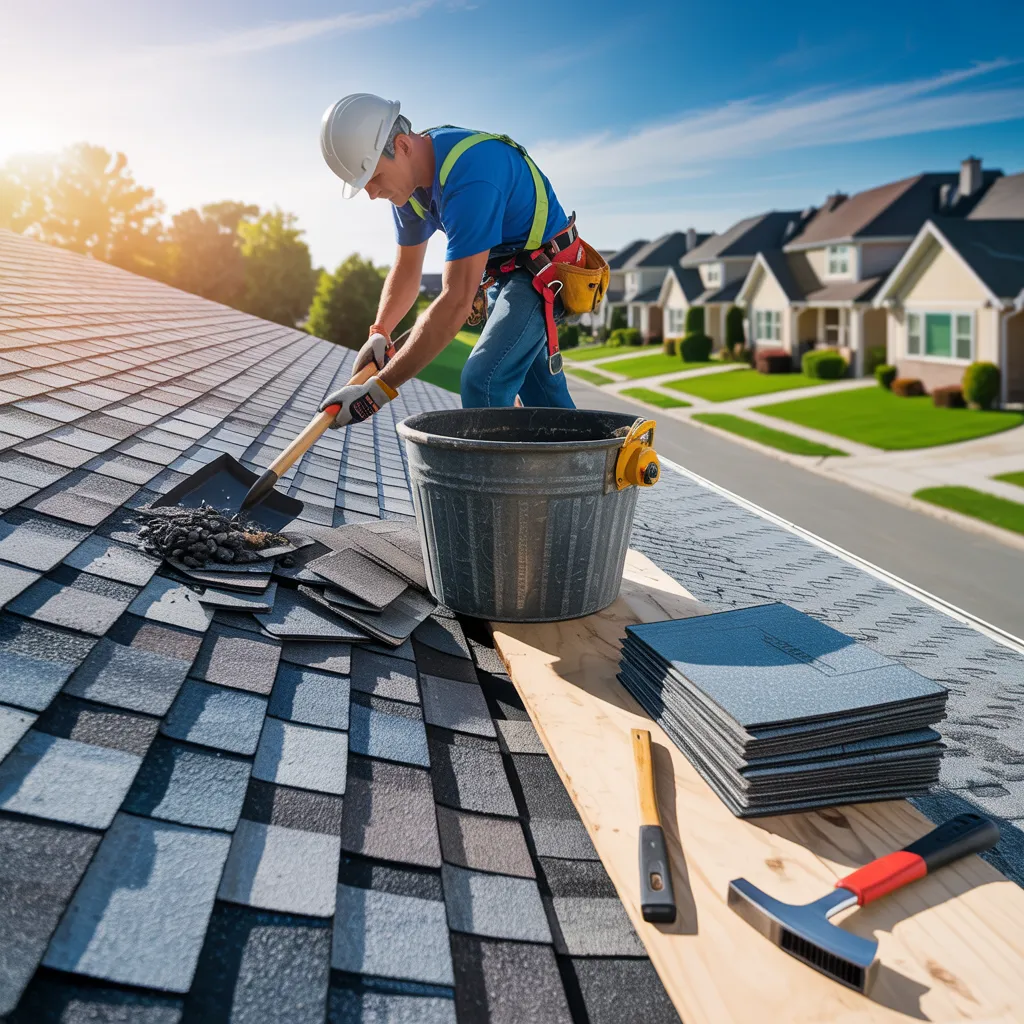
Why Roof Inspections Are Essential
Roof inspections act as a vital protective measure for residential property owners, allowing them to identify potential issues before they turn into major expenses. Routine inspections help identify deterioration and damage, leaks, and harm inflicted by harsh weather or pest activity. By resolving these concerns in a timely manner, homeowners can prolong the life of their roofing systems, guaranteeing a more secure and comfortable home.
In addition, roof inspections have the potential to boost property value, as potential buyers frequently look for homes with properly maintained roofs. Experienced roofing specialists are equipped with the expertise to properly assess roof conditions, providing homeowners with detailed reports and recommendations. This procedure not only facilitates timely repairs but also plays a role in long-term planning for roof upkeep and replacement.
How to Manage Emergency Roofing Repairs
Sudden roofing emergencies can develop without warning, necessitating immediate attention to prevent further damage. Property owners should begin by evaluating the circumstances and locating the origin of the issue, including water leaks or displaced shingles. Personal safety remains of utmost importance; should the damage present potential hazards, it is recommended to refrain from mounting the roof. Alternatively, utilizing a ladder to observe the damage from a protected distance can offer important details without putting anyone at risk.
Once the issue is identified, homeowners should document the damage with photographs for insurance documentation. Getting in touch with an experienced roofing contractor is crucial for emergency repairs, as they have the necessary skills and equipment for successful repairs. Interim steps, such as placing tarps over damaged areas, can reduce additional harm until a qualified contractor reaches the property. Early communication with the repair specialist regarding the pressing need for repairs guarantees that repairs are prioritized, protecting the home from further deterioration.
Leading Maintenance Services for Your Roof
Regular maintenance is essential for preserving the lifespan and efficiency of any roofing system. Professional roofing contractors offer a variety of maintenance services designed to protect and enhance the integrity of roofing systems. An important service includes scheduled inspections, which uncover emerging concerns before they escalate into major repairs. Additionally, debris clearance is necessary; foliage, branches, and grime can result in water pooling and structural damage.
Roofing professionals also deliver gutter cleaning services, ensuring proper water drainage and minimizing the likelihood of leaks. Sealing and caulking remain critical for blocking moisture intrusion at joints and seams, while consistent care of flashing can protect against wind and storm damage. Additionally, moss and algae management preserves the roof's visual appeal and structural soundness. By investing in these upkeep services, homeowners can markedly extend the lifespan of their roofs, ultimately protecting their investment and enhancing overall home safety.
When Should You Replace Your Roof?
When is the right time to evaluate replacing a roof? Property owners should evaluate a roof replacement when clear indicators of damage and aging become evident. Common indicators include missing shingles, extensive granule loss, or water stains on interior ceilings. Furthermore, when a roof is close to reaching the end of its projected lifespan—commonly 20 to 25 years for asphalt shingles—it is advisable to start making arrangements for a replacement.
One other key element relates to how frequently maintenance is required; when continuous repairs are needed, this could indicate that the roof has exceeded its lifespan. Furthermore, problems with energy consumption, like escalating climate control costs, could signal that the roof's insulation and materials are breaking down. By evaluating these signs, residents can determine the best course of action, guaranteeing that their new roof investment improves both the safety and worth try this of their home.
Customized Roofing Solutions for Different Materials
Upon assessing the necessity of replacing a roof, homeowners should consider the variety of materials available to meet their specific needs. Expert roofing specialists deliver personalized recommendations covering materials including asphalt shingles, metal, tile, and slate. Every material offers its own unique benefits; as an example, asphalt shingles are affordable and straightforward to install, whereas metal roofs deliver long-lasting performance and energy savings.
Tile roofs are renowned for their aesthetic appeal and long lifespan, making them a popular option in warmer climate regions. Slate, although more expensive, offers unmatched longevity and a unique appearance. Contractors assess factors like climate, home style, and budget to recommend the most appropriate material.
Picking the Perfect Roofing Contractor
Choosing the best roofing contractor is vital for guaranteeing a productive roofing project. Homeowners should begin by seeking recommendations from friends, family, or online reviews to locate trustworthy contractors. It's essential to confirm credentials, including licenses and insurance, to confirm compliance with regional requirements and guard against liability.
Moreover, collecting various quotes facilitates well-informed comparisons of services and pricing provided. Homeowners should question contractors about warranty coverage, on both labor and materials, as these often signal the professional's belief in their craftsmanship. Additionally, a trustworthy professional will present a complete written breakdown, specifying the work scope and required materials.
In addition, communication is key; a reliable contractor must be accessible and ready to handle any issues. By adhering to these recommendations, homeowners are able to choose a roofing professional that fulfills their requirements, ensuring a long-lasting and reliable roofing outcome.
Questions We Often Receive
What Are the Warning Signs of a Deteriorating Roof?
Signs of a roof in poor condition include damaged shingles, staining, water infiltration, structural sagging, and granule deterioration. Homeowners may also notice moisture stains on interior ceilings or walls, indicating underlying issues requiring immediate attention from a professional.
How Long Does a Roof Installation Typically Take?
Roof installation generally requires one to three days to complete, based on the project's size and complexity. The type of roofing material and weather conditions can also significantly affect the total timeline.
Are Roofing Materials Eco-Friendly?
Many roofing choices, such as certain shingle types, slate, and recycled metal, can be environmentally friendly. These options often decrease waste and conserve energy, advancing sustainability in construction while boosting overall home efficiency.
What Types of Warranties Are Commonly Offered on Roofing Services?
Typically, roofing contractors extend warranties ranging from a decade to half a century, covering both materials and labor. These warranties guarantee safeguarding from defects and provide homeowners assurance concerning the lasting quality of their roofing systems.
What Are My Financing Options for My Roofing Project?
Homeowners are able to finance roofing work through personal loans, home equity lines of credit, or specialized contractor financing options. Researching multiple lenders and evaluating interest rates ensures they secure the most appropriate financing option for their situation.